Choosing eSign Act Compliant Signature Software
Choose esign act compliant signature software that speeds approvals, protects records, and gives your team a simpler, secure signing process.
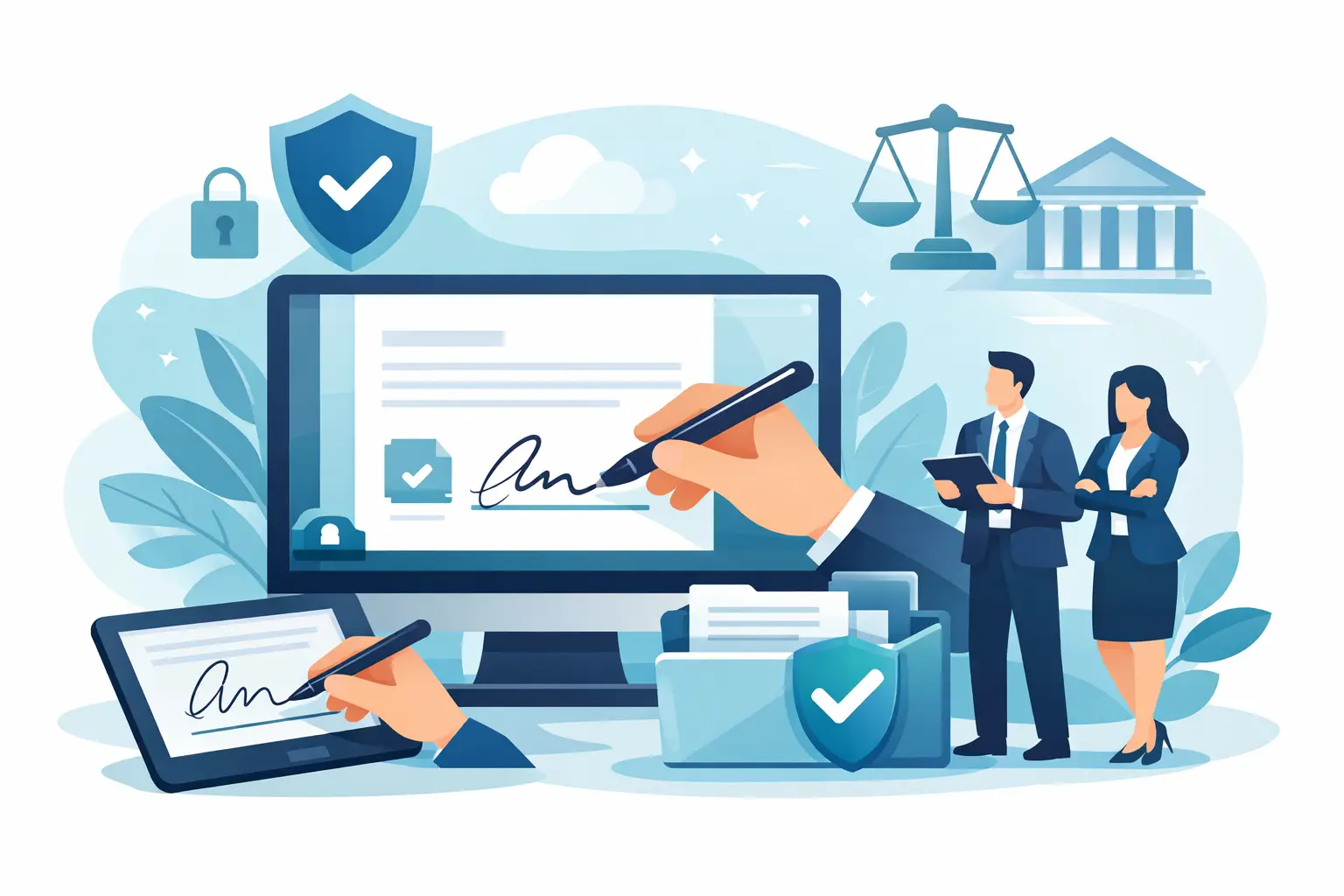
A contract stuck in someone’s inbox is not a legal strategy. It is lost time, delayed revenue, and one more manual follow-up your team should not have to manage. That is why esign act compliant signature software matters. It is not just about collecting a digital scribble. It is about proving intent, capturing consent, preserving records, and keeping the signing process fast enough for real business.
For operations leaders, sales teams, HR managers, and compliance stakeholders, the challenge is usually the same. You need documents signed quickly, but you also need a clear record that the process will hold up when scrutiny shows up. Good software solves both problems at once.
What eSign Act compliant signature software actually means
The ESIGN Act gives electronic signatures legal effect in the United States, as long as certain conditions are met. That sounds simple, but the details matter. A platform cannot just let someone click a button and call it done. The signing process has to support the legal foundations behind that signature.
At a practical level, eSign Act compliant signature software should help you show that the signer intended to sign, agreed to do business electronically, and received access to the record. It should also preserve an accurate version of the completed document and maintain evidence around who signed and when.
That is where many teams get tripped up. They assume any eSignature tool is automatically compliant. Some tools are built for convenience first and evidence second. That may be fine for low-risk internal approvals, but it becomes a weak spot when you are dealing with contracts, onboarding packets, real estate forms, or agreements that could later be disputed.
Why compliance is only part of the buying decision
Compliance gets attention because it reduces legal risk, but software adoption usually fails for a different reason. The tool is too slow, too confusing, or too expensive for the volume your team handles.
If your reps cannot send documents in minutes, they will find workarounds. If external signers hit friction on mobile, completion rates drop. If admins cannot track status without chasing emails, you still have an operations problem even if the platform checks a compliance box.
So the real question is not just whether a platform is legally sound. It is whether it gives you a fast, reliable workflow with the evidence you need built into the process.
The core features to look for in eSign Act compliant signature software
The strongest platforms combine legal support with day-to-day usability. You should expect a clear audit trail that records timestamps, signer actions, document events, and completion status. Without that, proving what happened later gets harder than it should be.
You also want explicit signer consent for electronic records. This is one of those details that sounds minor until it becomes the very thing counsel asks about. A compliant system should make that consent part of the signing flow rather than leaving it to guesswork.
Document integrity matters too. Once a document is completed, there should be a reliable way to preserve the final version and show that it has not been altered after signing. Strong encryption, secure storage, and tamper-evident records all support that goal.
Authentication is where context matters. For many business documents, email-based access plus audit records may be enough. For higher-trust transactions, you may need stronger controls such as one-time passcodes, government ID checks, or digital certificates. More verification improves assurance, but it can also add friction. The right level depends on the risk, the document type, and the signer experience you are trying to protect.
Speed matters more than most buyers admit
A lot of software evaluations focus on legal language and security claims. Those are important, but teams often underestimate the operational cost of a clunky workflow.
A good platform should let users upload a PDF, add recipients, place signature and form fields, send, and track progress without training sessions or implementation drama. If the process is intuitive, adoption follows. If it feels like enterprise software from a different era, people avoid it until deals or approvals start slipping.
This is especially true in cross-functional environments. Sales may need quick signature cycles. HR may need repeatable onboarding packets. Legal may need visibility and record retention. Operations may need simple status tracking across all of it. The best software works for each group without forcing every use case into the same rigid process.
Where businesses usually overbuy and underbuy
There are two common mistakes.
The first is overbuying. Some teams choose a heavyweight platform packed with features they will never use, then spend months paying for complexity. If your primary need is sending standard agreements, routing them to a few signers, and tracking completion, you may not need a sprawling contract lifecycle suite.
The second is underbuying. A low-cost tool may look attractive until you realize it lacks dependable audit trails, signer authentication options, team controls, or document status visibility. That is often where hidden costs show up - more follow-ups, more manual checks, more risk, and more frustration.
The better approach is to buy for the workflow you actually run. Start with the documents you send most often, the approval paths involved, the level of verification required, and the number of people who need visibility. Then test whether the product handles those jobs quickly and clearly.
Security and compliance are connected, but not identical
Buyers often treat security and ESIGN compliance as the same thing. They overlap, but they are not interchangeable.
The ESIGN Act is about legal validity and electronic records. Security controls are about protecting access, preventing unauthorized changes, and reducing exposure. You need both. A platform can support compliant signing but still create headaches if user permissions are weak or document handling is messy.
Look for practical safeguards such as encrypted documents, protected signer access, detailed event logs, and admin controls that support team accountability. These are not just technical extras. They help your business maintain trust when documents move across departments, counterparties, devices, and timelines.
Industry context changes the standard
Not every signed document carries the same level of risk. A sales proposal is different from an employment agreement. A vendor contract is different from a real estate transaction. That is why the best buying decision usually comes down to fit, not just feature count.
If you work in HR, consistency and record retention may be your top concerns. If you work in real estate, mobile access and signer convenience can make or break turnaround times. If you work in legal or compliance, the audit trail and signer verification options may matter most. If you are leading operations, you probably care about all of it, plus how quickly your team can actually get started.
That is also why flexible authentication matters. You do not want every document to require the same level of friction. Basic agreements may need a fast, simple signing flow. Higher-trust documents may justify stronger identity checks.
What a smarter evaluation process looks like
When you compare vendors, ask for more than a feature checklist. Walk through the actual sending and signing experience. See how many steps it takes to prepare a document. Check whether tracking is visible in real time. Review what evidence is captured in the audit trail. Confirm how the platform handles consent, completion records, and final document retention.
Then pressure-test the external signer experience. Most bottlenecks happen outside your company. If customers, candidates, or partners struggle to open, review, and sign a document on their phone, your internal efficiency does not matter much.
Cost should be looked at the same way. The cheapest option is not always the most affordable if it slows completions or creates manual cleanup. A simpler platform with the right compliance and workflow features can deliver better value than a more expensive system your team barely uses. That is one reason platforms like BeeSign are appealing to businesses that want legally binding signing without dragging in oversized software.
The real goal is confidence without delay
The best eSign Act compliant signature software gives your team two things at once: speed in the moment and confidence later. You can send documents fast, keep approvals moving, and still know there is a clear record behind every completed signature.
That balance matters. Too much friction slows business down. Too little evidence creates risk you may not notice until it is expensive. The right platform sits in the middle - simple for users, strong on records, and flexible enough for the documents that keep your business moving.
If you are evaluating options now, focus on the workflow first and the claims second. The tool should help your team send, sign, track, and prove what happened without turning every document into a project. That is when digital signing stops being just software and starts becoming operational leverage.
Ready to transform your workflow?
Start using BeeSign today and experience the future of document signing